
Financial Literacy Month in Illinois: Budgeting Basics That Still Work in 2026
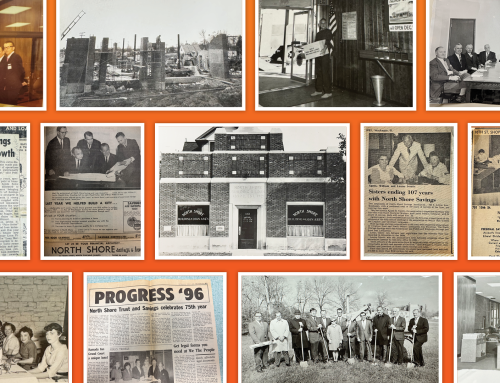
Serving Lake County since 1921, North Shore Trust & Savings has seen financial trends come and go. One thing hasn’t changed: the importance of strong financial fundamentals.
April is Financial Literacy Month, and it’s the perfect time to get back to basics. Whether you’re in Waukegan, Gurnee, Lindenhurst, or anywhere across Lake County, building better financial habits starts with simple, proven strategies.
We are committed to investing in the future of our community by supporting financial literacy programs in local schools, reaching nearly 10,000 students through our Banzai program. The program is available to customers, students, and the broader community, helping equip individuals with the knowledge and skills needed to make informed financial decisions.
Why Financial Literacy Matters in Illinois
Financial literacy isn’t just a buzzword, it directly impacts long-term stability.
For communities like Lake County, where economic shifts have come and gone over the past century, having a trusted local bank matters more than ever.
Budgeting Basics That Still Work
These are the same foundational principles we’ve helped customers apply for generations.
1. Use Credit Wisely
Using credit strategically can help build your financial future, but misuse can quickly set you back.
Best practices:
Why it matters: Your credit score impacts everything from loan approvals to interest rates.
2. Start Investing Early
Time is one of the most powerful financial tools you have.
Example: Investing $100/month early in life can outperform larger contributions started later.
3. Automate Your Savings
Consistency beats intention every time.
Set it and forget it:
Why it works: Automation removes the temptation to spend first and save later.
4. Track Your Spending
You can’t improve what you don’t measure.
Many Illinois households discover they can redirect hundreds per month just by tracking.
5. Save Windfalls
Unexpected money is an opportunity, not just extra spending power.
Examples:
Strategy: Allocate a portion or all of these funds to savings or debt reduction.
Local Perspective: Why This Matters in Lake County
For over 100 years, North Shore Trust & Savings has supported individuals and families through:
The fundamentals above are not new, but they are more relevant than ever. Financial literacy builds stronger communities, and that starts at the local level.
How North Shore Trust & Savings Can Help
As a community bank rooted in Lake County since 1921, we offer:
- Personalized banking support
- Savings and checking solutions
- Lending guidance tailored to your goals
- Local expertise you won’t find at national banks
Financial trends will continue to change, but the fundamentals remain the same.
At North Shore Trust & Savings, we’ve spent more than a century helping Lake County residents navigate their financial journeys. This April, take the opportunity to strengthen your foundation and build toward a more secure future.